Navigating Family Dynamics: How DNA Tests for Siblings in Uncovering Family Ties
Sibling DNA tests have emerged as essential resources for exploring genetic relationships. They can clarify parentage and reveal connections that were previously unknown. Even as these tests shed light on biological connections, they present emotional intricacies that families are required to address. The consequences of these findings can be significant, raising questions about one's sense of self and place within a family. What occurs when the outcomes call into question beliefs about family that have been held for generations? The answers may reshape relationships in unexpected ways.
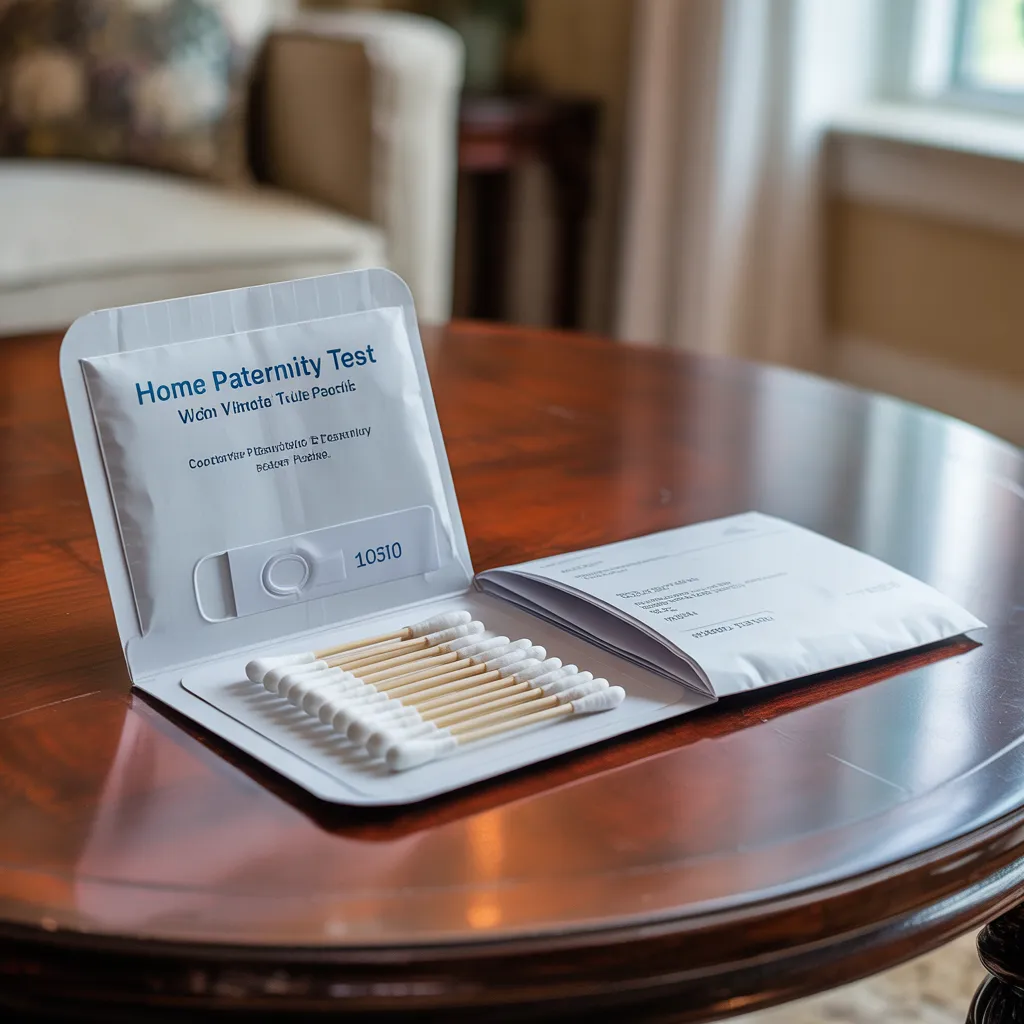
What Sibling DNA Tests Are and Why They Matter
Sibling DNA testing serves as an essential method for discovering biological relationships among siblings. These analyses examine DNA markers common between people to establish the probability of the parties being full siblings, half-siblings, or completely unrelated. Through the comparison of DNA sequences, families can gain insights into their biological ties, which is often especially important for individuals with intricate family backgrounds or questions surrounding biological parentage.
Understanding these connections can significantly influence family dynamics, delivering insight in situations where familial ties have been challenged or unclear. DNA sibling tests can also cultivate a sense of belonging and identity, especially for those looking to explore their ancestry. Additionally, the results can influence emotional bonds, allowing siblings to work through feelings of connection or disconnection. As the significance of genetic information expands in society, these tests continue to be vital for promoting understanding and acceptance within family structures.
How DNA Testing Discovers Hidden Family Connections
In what ways can DNA testing uncover connections that were not previously known? DNA testing provides a powerful tool for uncovering familial relationships that may not be evident through traditional means. Through the examination of genetic markers, people can uncover biological links to half-siblings, unidentified relatives, or even remote cousins. This method can help untangle intricate family histories, most notably in adoption cases or circumstances where family structures differ from the norm.
The findings can provide valuable information regarding shared ancestry, genetic traits, and health predispositions. For countless people, this recently discovered understanding can alter their understanding of family dynamics and lineage. Furthermore, DNA analysis may reveal unexpected familial ties, prompting individuals to explore ties that were formerly unnoticed. Ultimately, the revelations from DNA tests can greatly enhance one's comprehension of their family tree, nurturing a more profound recognition of the elaborate tapestry of ties that form individual identity.
How Sibling DNA Tests Emotionally Affect Family Relationships
Sibling DNA testing have the potential to greatly influence familial bonds by uncovering unexpected connections that test confidence and clarity. Such revelations commonly give rise to complex emotional reactions, as individuals grapple with their personal identity and family connections. Recognizing these psychological impacts is essential for handling the outcome of the testing process and preserving positive family dynamics.
Trust and Transparency Issues
Issues surrounding trust and transparency tend to surface in family settings when DNA tests between siblings are conducted. Undergoing such testing can reveal concealed family secrets, causing feelings of betrayal among brothers and sisters who once believed they shared a straightforward relationship. These discoveries can prompt questions regarding the truthfulness of parents and the integrity of family narratives. When results differ from expectations, the emotional consequences can damage relationships, as family members struggle with insecurity and uncertainty. Moreover, the apparent necessity of DNA testing can suggest deeper deficiencies in trust, implying that family members may struggle to openly address their connections. Consequently, these tests can inadvertently disrupt the foundations of familial trust, further complicating sensitive family dynamics.
Handling Emotional Reactions
When unforeseen results from sibling DNA tests come to light, the emotional landscape within families can shift dramatically. Disclosures about biological ties can give rise to feelings of betrayal, confusion, or anger among siblings. Some may grapple with questions about their identity or the authenticity of their relationships, while others might experience a sense of relief or validation. Handling these emotions necessitates open communication and empathy, as siblings address their reactions together. It is important for family members to provide space for practical advice individual feelings without judgment, nurturing an environment where healing and understanding can take place. At the end of the day, the influence of these tests can either test or fortify family bonds, depending on the strategy adopted in addressing the emotional aftermath.
How DNA Insights Can Help Strengthen Communication Among Siblings
Understanding the DNA-based links shared by siblings can strengthen their interactions, particularly when conflicts arise. By using findings from genetic examinations, siblings can gain a more accurate view on their genetic bonds, which may shed light on hidden reasons for certain traits or misunderstandings. This awareness encourages emotional connection, as siblings learn that hereditary differences can shape behavioral patterns and inclinations.
When conflicts emerge, consulting genetic knowledge can provide an impartial foundation for dialogue. Rather than blaming conflicts entirely on personal distinctions, brothers and sisters may acknowledge that their distinct traits are rooted in their genetic makeup. This understanding can encourage a more meaningful exchange, promoting honest discussion about emotions and personal encounters.
Ultimately, leveraging DNA insights encourages siblings to approach their relationships with curiosity rather than judgment. By developing a richer comprehension of each other's genetic makeup, siblings can establish a more nurturing environment that sustains their relationship, even through obstacles.
Real Stories: How DNA Testing Changed Family Dynamics
The dynamics between siblings can be significantly shaped by the discoveries made possible by DNA testing. In a notable example, two brothers, raised apart learned through a DNA analysis that they were connected through a common biological father, which brought about a touching reunion. This new relationship they had uncovered allowed them to share experiences and stories, strengthening their connection.
In a similar situation, a woman discovered that her biological half-sister, who she previously considered to be a cousin, was truly a sibling. This finding encouraged both to investigate their family background together, nurturing a sense of connection and understanding that was previously missing.
In contrast, DNA testing at times uncovers unforeseen truths, as in the case of a individual who came to realize he was not a biological match for his brothers and sisters. Although the revelation was startling at first, this discovery ultimately led to transparent exchanges and a reinvigorated appreciation for the personal connections that determine the meaning of family, independent of DNA.
Moral Aspects of Sibling DNA Testing
As genetic testing continues to advance and provide insights into family relationships, these developments also introduce important ethical concerns. DNA testing among siblings has the potential to uncover unforeseen connections, potentially disrupting family dynamics and causing emotional distress. The decision to undergo testing often involves consent from multiple parties, which brings forth critical concerns about individual autonomy and entitlement to genetic knowledge. Furthermore, uncovering non-paternity or half-sibling connections can trigger profound feelings of betrayal and insecurity within families.
Privacy issues also arise, as genetic information is delicate and could be exploited if not adequately safeguarded. The possibility of bias based on genetic tendencies further complicates the ethical landscape. As a result, it is essential for people contemplating sibling DNA tests to thoughtfully evaluate the emotional and ethical consequences, ensuring that they approach the process with complete understanding of its potential outcomes for both themselves and their loved ones.
Future Trends in DNA and Family Relationships
In what ways will the transforming terrain of genetic testing redefine family relationships in the foreseeable future? As scientific advancements unfold, the accessibility and cost efficiency of DNA examinations are likely to increase, empowering more families to investigate their genetic ties. This growth in DNA testing could lead to a deeper understanding of familial ties, revealing previously unknown relationships and redefining traditional notions of familial identity.
Moreover, the rise of retail genetic testing could encourage a culture of openness regarding family histories and heritages. As more individuals delve into their genetic histories, conversations about heritage, cultural heritage, and family connections will become increasingly prevalent.
Even so, this growing trend also brings up important questions about personal privacy and informed consent, as households navigate the challenges of exchanging genetic data. Fundamentally, the future landscape of genetic testing could cultivate both deeper connections and novel challenges, as families adapt to the insights and revelations that stem from their inherited genetic histories.
Questions We Often Receive
How Reliable Are Sibling DNA Tests for Identifying Relationships?
Sibling DNA tests are generally accurate, providing a strong likelihood of verifying familial connections. However, results can vary based on genetic overlap, and supplementary information might be required to comprehensively interpret family relationships.
Can Sibling DNA Tests Reveal Non-Biological Connections?
Sibling DNA tests mainly uncover genetic relationships; yet, they can subtly indicate non-biological relationships by highlighting shared genetic markers. Such findings may prompt individuals to examine familial relationships beyond traditional definitions of kinship.
What Age Is Appropriate for Taking a Sibling DNA Test?
The appropriate age for taking a sibling DNA test typically ranges from 18 onward, as individuals are considered adults capable of making informed decisions. Younger participants often need parental consent and guidance for understanding results.
How Do Sibling DNA Tests Differentiate Between Half-Siblings and Full Siblings?
Sibling DNA testing differentiate between full siblings and half-siblings by evaluating common genetic markers. Full siblings share around 50% of their DNA, while children sharing one parent share about 25%, offering clear distinctions in familial relationships.
Are There Privacy Issues Associated With Sharing DNA Test Results?
Privacy issues emerge upon sharing genetic test results, as individuals may inadvertently expose private data about their genetic background. This can affect not only the tested individual but also their biological relations, resulting in potential relational tensions.