Home Paternity Testing for Parents: A Complete Guide with Tips and Advice
At-home paternity testing provides guardians an opportunity to resolve questions of parentage with relative ease. The process entails gathering DNA samples, typically via non-invasive techniques, and forwarding them to a testing facility for evaluation. Still, the process necessitates thoughtful reflection and awareness. Parents must choose a reputable testing kit and be prepared for the emotional outcomes that may follow. What actions should they pursue to secure a stress-free journey and understand the significance of the findings?
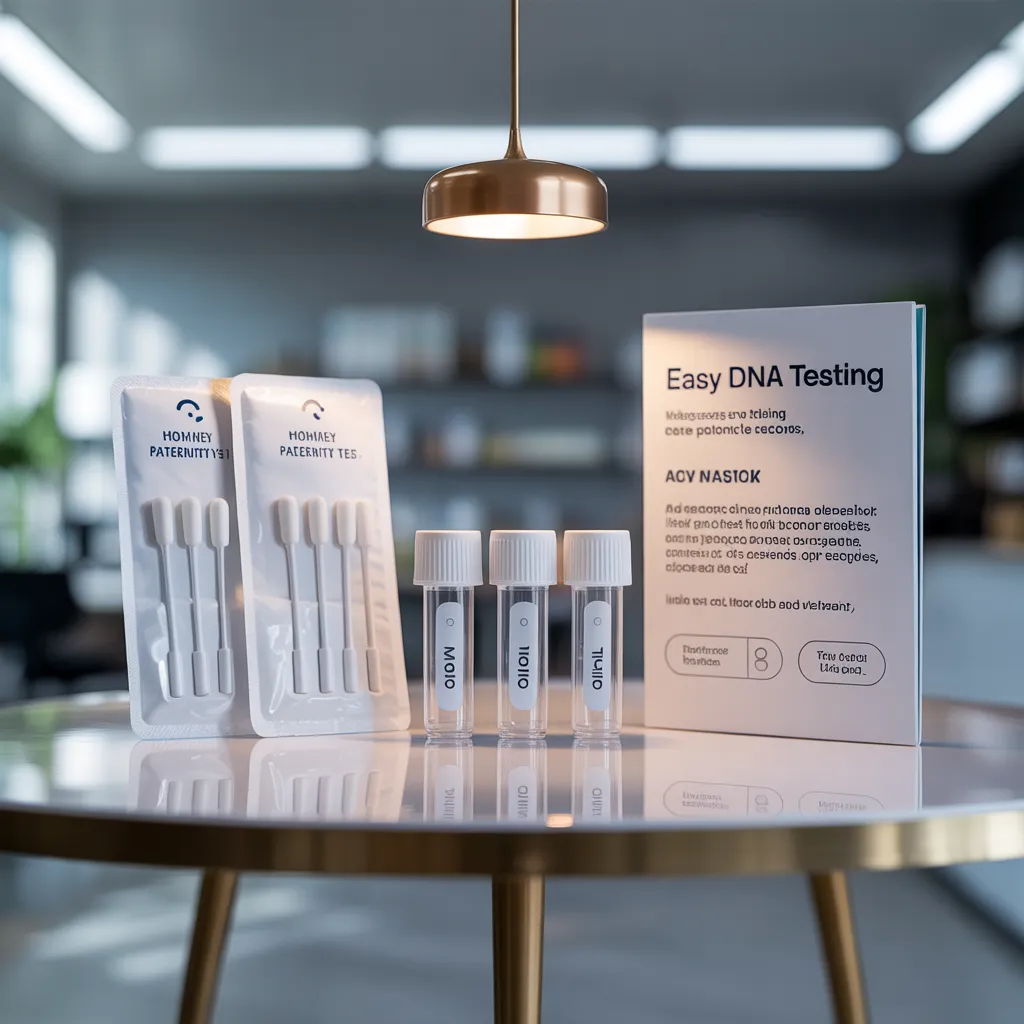
What Is Home Paternity Testing and How Does It Work?
At-home paternity testing has grown into a widely accessible choice for parents seeking to determine a child's biological father. This form of testing generally requires gathering DNA samples from both the child and the potential father, frequently using basic buccal swabs. When the samples have been gathered, they are dispatched to a laboratory for processing.
In a laboratory setting, DNA undergoes extraction and comparison via cutting-edge genetic analysis procedures. The method locates distinct markers within the DNA sequence to confirm a match or rule out a relationship between the child and the alleged father. Findings generally require several days to a few weeks, depending on the testing service chosen.
Residential paternity testing is designed to provide a simple and confidential method for individuals to find clarity about paternity. Nevertheless, it is important, for individuals to seek out trusted testing providers to ensure precise and dependable results.
A Comparison of Home Paternity Testing Kit Types
When considering paternity testing, parents frequently come across various kits that vary in methodology, accuracy, and cost. The most common types of home paternity testing kits include cheek swab tests, which collect DNA samples using cotton swabs, and blood tests, which involve collecting a blood sample for examination. Cheek swab kits are generally easier to use and non-invasive, making them popular among parents. In contrast, blood tests may provide greater accuracy but can present greater complexity.
Moreover, there are kits capable of returning results within days, while others may take several weeks to process. The cost of these kits can fluctuate widely, ranging from affordable choices to high-end packages featuring advanced analysis. It is essential for parents to recognize these variations, as the choice of kit can affect both the overall testing experience and the accuracy of the results.
Selecting a Reliable Home Paternity Testing Kit
Identifying a reliable home paternity testing kit necessitates thorough evaluation, as the accuracy of findings can significantly influence household dynamics. Parents should seek out kits from well-established providers that follow industry standards and regulations. Researching the manufacturer's background, reviewing user feedback, and confirming quality certifications can offer important information about the product's reliability.
Additionally, it is crucial to verify that the kit offers comprehensive instructions for sample collection and submission. A comprehensive kit should contain all needed materials, such as swabs and appropriate packaging, to facilitate a smooth testing process. Honesty regarding lab analysis and the interpretation of results is also necessary; credible providers generally provide detailed information about their laboratory methods.
Ultimately, selecting a trustworthy home paternity testing kit requires thorough research and careful evaluation, ensuring that family members get reliable results that can enable them to make educated decisions about their personal relationships.
Complete Step-by-Step Instructions for the Home Paternity Testing Process
The paternity testing process can be manageable when parents adopt a structured method. Initially, they should choose a reputable home testing kit, making sure it satisfies the required find details about standards. Once the kit has been received, parents need to read through the directions attentively to understand the required steps.
Subsequently, individuals should collect biological samples from the child as well as the alleged father, typically using cheek swabs. It is important to observe all hygiene standards to ensure samples are not contaminated. Once the samples have been collected, individuals should package them securely as outlined in the instructions and send them to the specified laboratory.
When the sample materials arrive, the laboratory will carry out the testing, evaluating the DNA profiles. This procedure typically takes several days to a few weeks, subject to the lab. Over the course of this timeframe, maintaining communication with the laboratory can assist in resolving any concerns or questions that might come up.
What Actions to Take Following Your Paternity Test Results
What steps should parents take after receiving their paternity test results? The primary step is to closely examine the results to grasp their meaning. If the test confirms paternity, parents may want to discuss the next steps regarding legal and emotional matters. This could entail consulting with a legal professional to resolve custody or financial support concerns.
When the results show no biological relation, parents ought to be ready for possible emotional difficulties and consider seeking professional support, like therapy or counseling. Clear and honest communication with all individuals involved is vital for addressing the matter thoughtfully.
Regardless of the outcome, parents should prioritize the well-being of the child. It may also be worth informing the child, depending on their age and understanding. In addition, keeping a record of the results and related actions can help in future legal or personal matters.
Frequently Asked Questions
Can Home Paternity Tests Be Used as Legal Evidence in Court?
Home paternity test results are commonly not considered legally admissible in court due to concerns regarding chain of custody and testing procedures. Courts typically require tests conducted by accredited laboratories to guarantee reliability and validity.
How Accurate Are Home Paternity Testing Kits?
Residential paternity testing kits commonly deliver accuracy rates exceeding 99%. Nevertheless, outcomes can differ according to the quality of samples and testing procedures employed. For definitive conclusions, certified laboratory analysis is suggested for legal purposes and higher reliability.
Is It Possible to Test for Siblings or Grandparents?
Yes, one can explore grandparent or sibling connections using targeted genetic testing. Such tests evaluate shared DNA markers, providing insights into family relationships, although results may differ in precision relative to traditional paternity examinations.
What Is the Price Range for At-Home Paternity Tests?
Home paternity tests typically range from $100 to $400, depending on the provider and the complexity of the test. Extra fees may apply for additional services, such as expedited results or additional relationship testing.
Are There Age Limitations When It Comes to Testing Children?
There are generally no age restrictions for home paternity testing. That said, it is recommended that parents or guardians consent on behalf of minors, making sure that ethical considerations and legal requirements are fulfilled throughout the testing process.