Achieve Qualified Nursing Assistant Credentials With Skilled CNA Training
Becoming a Certified Nursing Assistant (CNA) offers numerous benefits in the medical field. With professional training, people acquire crucial skills and knowledge necessary for quality patient care. The increasing demand for CNAs ensures job stability and potential career growth. Understanding the training process and certification requirements is vital. What factors should prospective CNAs evaluate as they start on this path? Exploring this can illuminate the journey ahead.
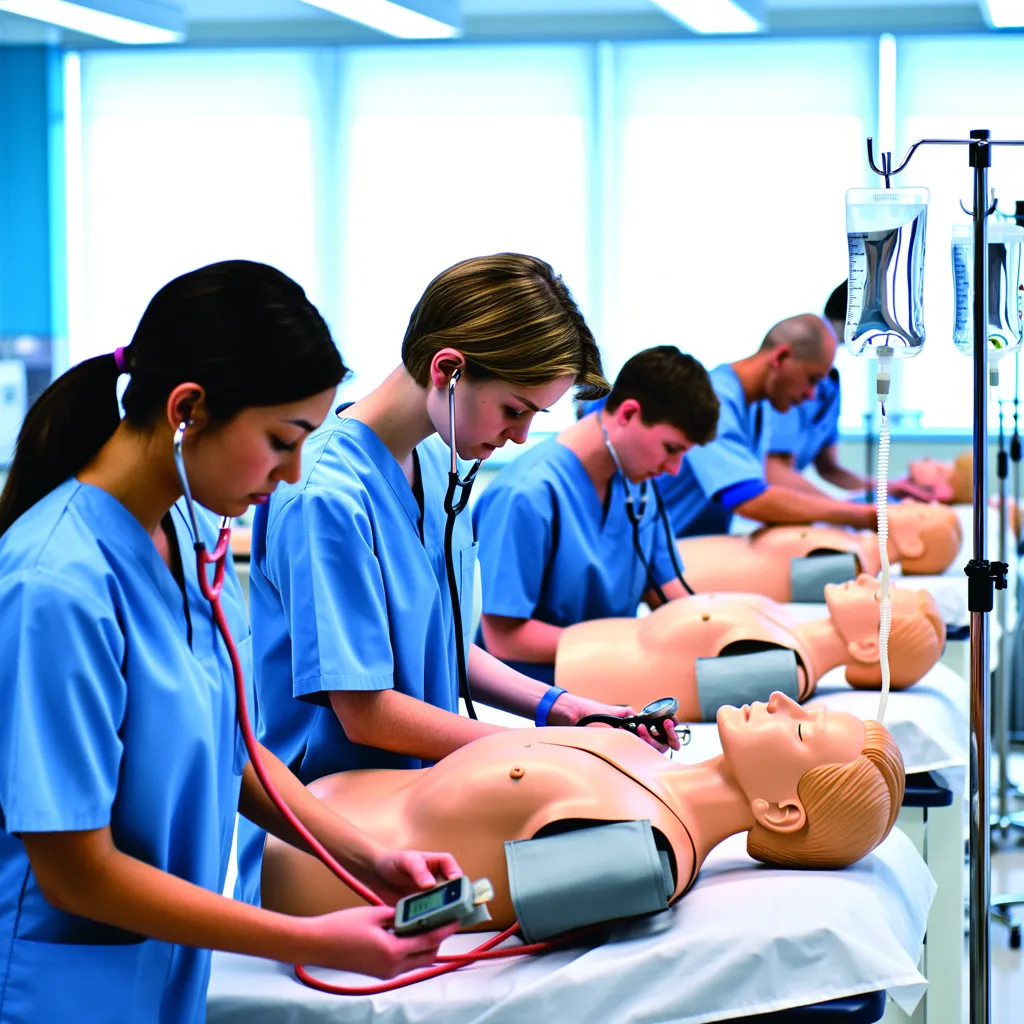
Top Benefits to Pursue a CNA
Becoming a CNA offers many benefits that attract individuals seeking a rewarding profession in healthcare. One important benefit is the opportunity for hands-on patient care, allowing Certified Nursing Assistants to create a positive difference on patients' lives. The demand for CNAs continues to grow, guaranteeing employment security and many employment opportunities across various settings, including hospitals, nursing homes, and home health care.
Additionally, the training needed to enter as a CNA is quite limited, permitting people to enter the employment market promptly. This ease makes the profession an attractive choice for those aiming to begin a career in healthcare without major formal education. CNAs also have the capacity to develop their professional paths in the healthcare sector, creating opportunities for further schooling and licenses. In total, the combination of employment security, self-fulfillment, and career growth opportunities establishes becoming a CNA a compelling option for many future healthcare workers.
Critical Proficiencies You'll Achieve in CNA Instruction
CNA training equips individuals with an fundamental skill set necessary for delivering quality patient care. One of the primary skills developed is strong communicative additional resource abilities, allowing CNAs to interact compassionately with patients and their families. Additionally, students learn critical observation methods, enabling them to assess vital signs and report changes to nursing staff precisely.
Personal care skills, such as washing, clothing, and feeding patients, are essential elements of the training, ensuring that CNAs can assist patients with everyday tasks. Infection control practices also constitute a significant part of the curriculum, emphasizing cleanliness and safety standards necessary to stop the spread of illness.
Additionally, CNAs gain competencies in basic medical procedures, such as aiding with movement and utilizing medical equipment. In general, the training incorporates a well-rounded approach to patient care, enabling individuals to satisfy the diverse needs of those they serve effectively.
Grasping the CNA Learning Pathway and Certification
The CNA training process encompasses diverse foundational parts, including an overview to certification standards, effective methods for certification readiness, and potential placement opportunities. Grasping these dimensions is vital for aspiring nursing assistants as they move forward on their path toward credentials. Each component maintains significant value in ensuring a successful transition into the medical workforce.
CNA Education Standards Summary
While hopeful healthcare professionals can feel concerned by the certification process, knowing the training requirements for Certified Nursing Assistants (CNAs) is fundamental. To become a CNA, individuals need to complete a state-approved training program, usually consisting of both academic lessons and hands-on clinical experience. Most programs require at least 75 hours of training, although some states may require additional hours. Applicants must also pass a security screening to protect patients in healthcare environments. Once finished, they are eligible to sit for the certification exam. Furthermore, certain states may have particular requirements, such as age requirements or verification of a high school diploma. Being knowledgeable with these requirements can assist in making easier the journey to becoming a credentialed nursing professional.
Practical Recommendations for Training for Your Certification Exam
Successfully finishing a state-approved training program marks a substantial achievement for prospective CNAs, yet the process continues there. Getting ready for the licensing test requires a focused strategy. Candidates should review the material taught during their training, emphasizing important topics such as client support, safety protocols, and infection control. Using practice exams can help familiarize them with the exam format and question types. Additionally, creating learning teams can promote group education, enabling candidates to clarify concerns and reinforce understanding. Schedule planning is essential; establishing a study schedule guarantees thorough examination of all topics. Finally, keeping a positive mindset and practicing relaxation techniques can alleviate exam-related stress, enhancing general results on test day.
Career Positioning Choices Available
Completing CNA training opens up a range of job placement opportunities, as many healthcare facilities actively recruit CNAs to meet their staffing needs. Hospitals, nursing homes, and assisted living facilities are among the main hiring facilities, often offering varied scheduling to accommodate various schedules. Additionally, CNAs may find opportunities in rehabilitation centers, home healthcare agencies, and outpatient clinics. With the growing demand for healthcare services, job security for CNAs remains solid. Many training programs also provide job placement assistance, connecting graduates with potential employers. Networking within the healthcare community and utilizing online job boards further improve employment prospects, making the shift from training to the workforce smoother for newly certified nursing assistants.
Key Advantages of CNA Certification
Earning CNA certification yields considerable benefits that strengthen both occupational prospects and individual advancement. Fundamentally, it furnishes individuals with essential abilities and insight imperative to render superior patient care. This coursework cultivates assurance and mastery in diverse healthcare contexts, which can greatly enhance job performance.
In addition, certification frequently lead to increased job security, as many employers prefer or require certified candidates. This credential not merely widens the scope of potential employment but also enhances earning potential. Moreover, CNAs frequently gain valuable experience that can act as a stepping stone for advanced positions in the healthcare field, such as nursing.
From a personal perspective, the certification process promotes compassion and communication skills, essential traits for successful patient engagement. Ultimately, becoming a certified nursing assistant provides individuals with a solid foundation for a gratifying career in healthcare, while cultivating a sense of fulfillment through helping others.
CNA Career Chances
CNA positions are widely available and encompass a broad spectrum of professional environments, including hospitals, nursing homes, and home health care. This wealth of choices not only delivers flexibility in workplace settings but also reveals opportunities for career progression. As CNAs build experience, they may pursue continuing education and focused expertise, boosting their career development.
Mixed Professional Contexts
Nursing Assistant can secure work
Professional Growth Paths
Examining ways to advance careers can uncover a variety of opportunities for Certified Nursing Assistants. Armed with foundational skills and experience, CNAs can transition into roles such as Licensed Practical Nurse (LPN) or Registered Nurse (RN) by pursuing additional education and training. Numerous facilities provide tuition reimbursement, supporting further studies. Furthermore, CNAs might seek specialized certifications in fields like geriatrics, pediatrics, or mental health, boosting their marketability and skills. Management positions, including CNA supervisor or nursing home administrator roles, become available, offering leadership opportunities. Building networks within healthcare settings can open doors to these developments. Ultimately, through dedication and ongoing learning, CNAs can significantly advance their careers and offer greater contributions to patient care.
What's the Most Effective Way to Pass the CNA Certification Exam?
Effectively passing the CNA certification exam requires strategic preparation and a solid understanding of the coursework. Aspiring CNAs should begin by reviewing the exam content outline provided by their state's regulatory body, prioritizing fundamental subjects including direct care, safety, and effective communication. Engaging with practice exams is essential, as they prepare candidates with the exam format and question types.
Incorporating peer learning groups can improve learning by permitting candidates to discuss challenging material and exchange insights. Managing time during the exam is paramount; candidates should practice pacing to guarantee they cover all questions.
Furthermore, hands-on experience in a clinical environment is essential. Applicants should pursue chances to display competency in basic skills like taking important signs and assisting with activities of daily living. In summary, thorough preparation and regular practice significantly improve the probability of passing the CNA certification test.
Frequently Requested Questions
What Salary Can a Licensed Nursing Assistant Anticipate?
The standard income for a certified nursing assistant typically falls from $25,000 to $35,000 each year, contingent on criteria including experience, location, and the specific healthcare center where they are employed.
May I operate as a CNA Without Certification?
No, persons cannot function as a Certified Nursing Assistant (CNA) without certification. Most states necessitate structured education and completion of a certification exam to ensure essential skills and knowledge for patient care.
How long does CNA education usually take?
CNA programs usually last four to twelve weeks, contingent on the particular course and state standards. This period includes both in-class instruction and hands-on clinical experience to ensure complete preparation for the certification assessment.
What Age Requirements Apply to Become a CNA?
Age requirements are generally not strict for becoming a Certified Nursing Assistant. However, most training programs require candidates to be at least 18 years old, though some could welcome younger individuals with parental approval.
What Do the Advanced Learning Mandates for CNAS?
Education requirements for CNAs usually entail fulfishing a defined quantity of hours in coursework or educational courses every two years. This confirms they remain informed about current standards and preserve their certification.