Fat Injection Breast Augmentation: A Authentic Method to Development
Fat transfer breast augmentation presents a distinct option to conventional breast implants. By utilizing the individual's natural fat, this technique aims to enhance breast size while contouring other areas of the body. The treatment is attracting interest due to its natural-looking outcomes and reduced risk of adverse effects. However, considerations regarding eligibility and possible complications remain. Understanding these aspects can offer insight on whether this approach is suitable for individual enhancement goals.

What Is Autologous Fat Breast Enhancement?
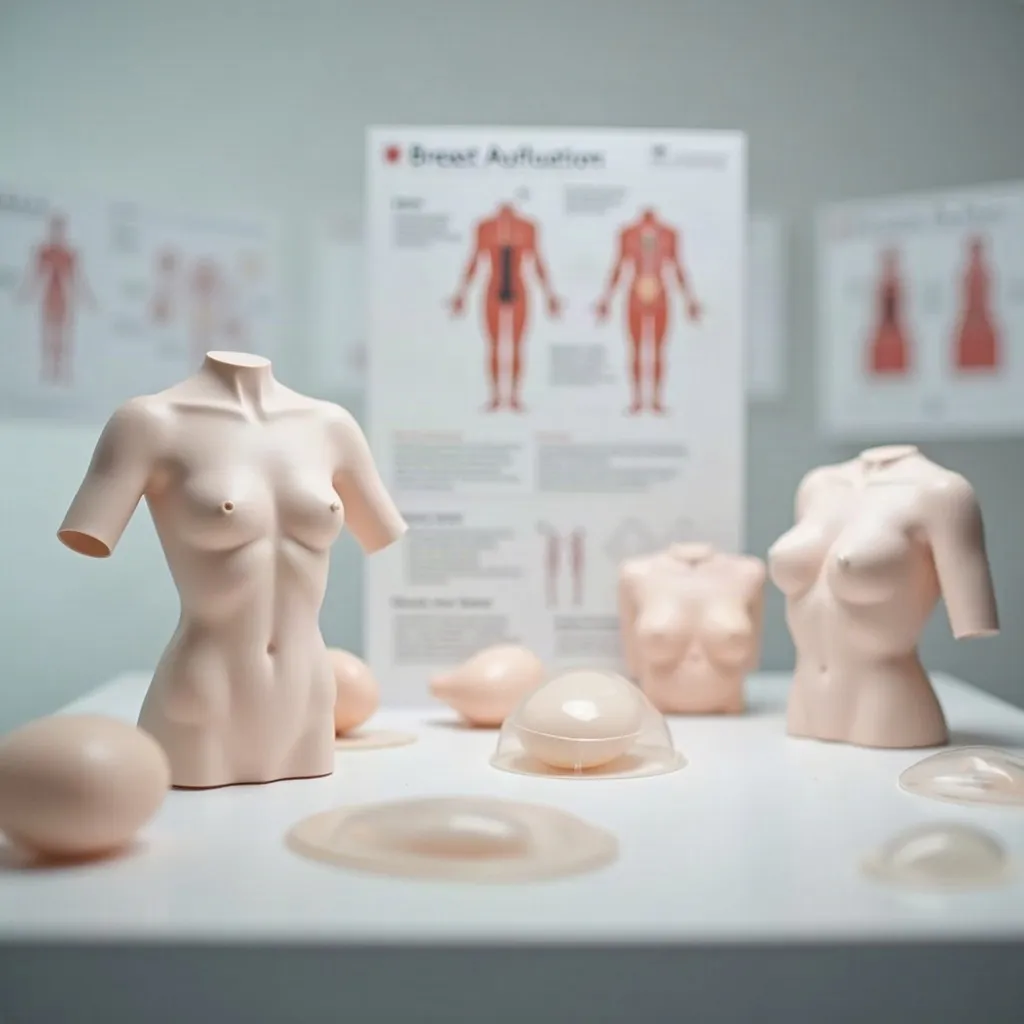
Fat transfer breast augmentation, also referred to as autologous fat grafting, is a cosmetic procedure that enhances breast volume using the individual's personal body fat. This method involves two main steps: fat removal and fat injection. First, fat is extracted from areas of the body where excess fat is available, such as the abdomen or thighs. The harvested fat is then refined to remove impurities before being inserted into the breast tissue.
One primary benefit of this procedure is its use of the patient's own biological material, which can produce a truer texture and appearance. Additionally, body contouring benefits patients in the areas where fat is removed. While the procedure can enhance breast size, it also provides fine shaping and contouring, making it a favored option among individuals seeking a comprehensive whole approach to breast enhancement. Altogether, it represents an advanced option in cosmetic surgery.
Benefits of Selecting Fat Transfer Over Implants
Deciding on autologous fat breast reshaping offers many advantages over conventional breast implants, making it an engaging possibility for many people. One key advantage is the use of the patient's own body fat, which minimizes the potential of allergic reactions or rejection associated with foreign materials. This procedure produces a more natural visual appearance and tactile quality, as the fat integrates naturally with existing tissue.
Moreover, fat transfer can offer body contouring benefits, permitting for refinements in multiple areas where unwanted fat is removed. The recovery process tends to be gentler, with minimal scarring compared to implants.
Moreover, patients often experience a more gradual and natural boost, as the results can be tweaked through multiple sessions. Ultimately, breast augmentation using fat transfer constitutes a complete approach to cosmetic improvement, honoring the desires of those desiring a more organic and personalized conclusion.
Understanding the Dangers of Fat Transfer Breast Enhancement
While fat transfer breast augmentation offers advantages, it is crucial to acknowledge the potential dangers associated with the procedure. One primary concern is the potential of fat necrosis, where transferred fat cells die and form lumps, leading to complications in detection during mammograms. Additionally, there is a risk of inconsistent results, as the body may resorb varying amounts of the transferred fat, resulting in imbalance. Infection is another potential risk, especially at the liposuction site, which can complicate recovery and lead to further interventions. Furthermore, some patients may experience scarring from the liposuction procedure. Finally, allergic reactions or complications from anesthesia, while rare, can occur. Understanding these risks is essential for individuals contemplating fat transfer breast augmentation, as it enables informed decision-making regarding their aesthetic goals and health.
What Individuals Are Suitable Options for Fat Transfer?
Determining the best candidate for fat transfer breast augmentation involves examining distinct body type aspects and overall health. Candidates should possess ample fat deposits for harvesting while keeping a stable weight. Moreover, a healthy lifestyle plays an critical function in assessing eligibility for this procedure.
Body Type Factors
When analyzing fat transfer breast augmentation, individuals with particular body types are more likely to be optimal candidates for this procedure. Typically, candidates should have sufficient body fat in areas such as the abdomen, thighs, or hips to facilitate effective harvesting. Those with a proportional body composition, especially those who are not extremely lean, often achieve excellent results. Additionally, women with a smaller breast size seeking a moderate enhancement may benefit most from this technique, as it allows for a refined and organic look. It is important for potential candidates to have realistic expectations regarding the degree of enhancement achievable through fat transfer, as this method is not designed for significant size increases.
Health and Lifestyle Factors
For people considering fat transfer breast augmentation, certain health and lifestyle factors are important in determining best candidacy. Candidates should generally be in sound overall health, as underlying medical conditions can affect the procedure and recovery. A stable weight is also essential; significant fluctuations can affect the results and the viability of the transferred fat. Additionally, people who lead a wholesome lifestyle, including regular exercise and a balanced diet, are more likely to achieve ideal outcomes. Non-smokers are recommended, as smoking can hinder healing and fat survival. It is vital for candidates to have realistic expectations about the results and understand that multiple sessions may be needed to achieve optimal volume and shape.
The Lipid Transfer Process Detailed
The fat transfer process involves a detailed technique that enhances breast volume using the patient's own adipose tissue. To begin, the practitioner identifies donor sites, regularly the abdomen, legs, or buttocks, where unwanted adipose tissue can be harvested. Applying liposuction, the fat is gently extracted, assuring minimal trauma to adjacent tissue.
Once collected, the fat consult article goes through a purification process to separate viable cells from excess fluids and debris. This refined fat is then strategically injected into the breast tissue. Surgeons often use a multi-layered approach, depositing small amounts of fat at various depths to achieve a natural appearance and even distribution.
Throughout the intervention, accuracy is critical to circumvent complications and deliver superior results. The entire process typically requires a few hours, based on the volume of fat transferred and the complexity of the procedure, permitting a personalized enhancement individualized to each individual's anatomy and desired outcome.
What to Look For During Recovery and Findings?
After fat transfer breast augmentation, subjects can expect specific guidelines for immediate post-operative care to guarantee ideal healing. The typical recovery timeline varies, with many individuals returning to standard activities within a few weeks. Long-term results will depend on various factors, including individual healing and lifestyle choices.
Prompt Post-Operative Care
Guiding the first post-operative phase after fat transfer breast augmentation is essential for achieving excellent recovery and results. Patients often notice swelling, bruising, and some discomfort in the treated regions. It is crucial to observe the surgeon’s guidelines about limiting activity, since rest facilitates healing. Compression garments might be advised to support the newly defined contours and reduce swelling. Ice packs can help in alleviating discomfort and lowering inflammation. It is also important for patients to monitor incision sites for signs of infection, including increased redness or discharge. Maintaining hydration and a nutritious diet are encouraged to promote recovery. While initial outcomes may be apparent, it is important to recognize that final results will develop as swelling diminishes and the body acclimates to the transferred fat.
General Convalescence Duration
Recovery from fat transfer breast augmentation unfolds over several weeks, marked by gradual improvement and evolving results. Initially, patients may experience swelling, bruising, and discomfort in both the breast and donor sites. The first week typically involves restricted activity to allow the body to heal properly. Most individuals can resume light daily activities within a week, while strenuous exercise should be avoided for at least three to four weeks.
Extended Timeline Results Expectations
As the days and weeks advance following surgery, patients start to see a more polished contour and fullness in their breasts. The early puffiness generally decreases, displaying results that appear more natural and harmonious with their body. Most patients can expect a gradual improvement in shape over several months as the grafted tissue settles.
Long-term sustainability remains generally stable, with patients experiencing enhanced breast size for years, provided they maintain a healthy lifestyle. However, it is essential to note that circumstantial elements, such as weight fluctuations and time's effects, can affect longevity. Ongoing appointments with the surgeon are worthwhile to assess changes and manage any concerns. Ultimately, patients typically find that fat transfer offers a pleasing, natural enhancement.
Expense Comparison of Fat Transfer versus Implants
When evaluating breast augmentation choices, the price analysis between fat transfer and implants plays a crucial role in making your choice. Fat transfer breast augmentation typically ranges from $6,000 to $12,000, encompassing the costs of liposuction, anesthesia, and facility fees. The procedure involves harvesting fat from another area of the body, which adds to the overall expense. Conversely, implant surgery generally costs between $5,000 and $10,000, depending on the type of implants chosen and the surgeon's expertise. While implants may have a lower upfront cost, they often require extra costs for future maintenance, such as replacements or adjustments. Insurance seldom includes either option, stressing the importance of budgeting. Ultimately, patients must weigh the initial costs against potential long-term expenses and desired outcomes when choosing between fat transfer and implants for breast augmentation.
Frequently Asked Questions
What Timeframe Can You Expect From Fat Transfer Breast Augmentation?
Fat transfer breast augmentation outcomes can last several years, depending on factors like individual metabolic rate, daily habits, and the volume of fat that takes. Some individuals may need touch-ups to maintain preferred fullness over time.
Does Fat Transfer Increase Shape and Size Together?
Yes, fat transfer can augment both shape and size concurrently. The procedure permits strategic enhancement, offering natural contours while adding volume, producing a more symmetrical and aesthetically satisfying appearance for the individual.
Will Losing Weight Modify the Results of Fat Transfer?
Body weight reduction can influence the results of fat transfer, as significant reductions in body fat may result in diminished fullness in the transferred areas. Maintaining a steady weight is advisable for ideal long-term outcomes.
Can Lipofilling Work for Bigger Breast Sizes?
Fat transfer can be suitable for larger breast sizes, but results may vary based on individual anatomy and wanted augmentation. Discussion with a qualified professional is crucial to evaluate viability and ensure optimal results.
What Happens if I Gain Weight After the Operation?
When an person puts on weight following the procedure, the transferred fat may expand, possibly altering breast appearance. Nevertheless, total body mass fluctuations can also affect breast shape and proportion in different ways for each person.